
December 19, 2018, Sudanese students in the city of Atbara, Sudan, took out to the streets protesting the high prices of bread amongst other things. These students went to school that morning only to find out that their breakfast prices have tripled overnight. Just a few hours after they took on to the streets, protests all over Sudan broke out beginning in several river neighboring towns, then outlying towns, and finally the capital Khartoum. While some may think the protests were regarding high bread prices, that was not the sole reason. Many reasons led to these protests with the overall consensus being the demand of the fall of a corrupt 30-year-old regime that has caused a genocide, a fall in the economy, and a leader who is a wanted war criminal by the International Criminal Court.
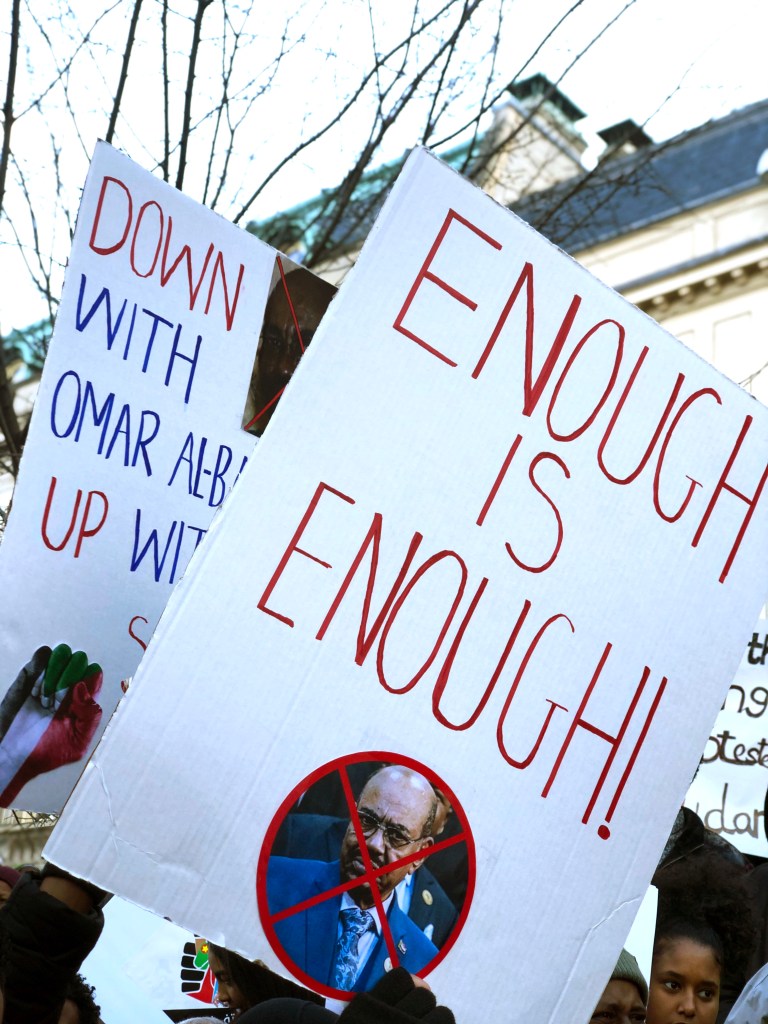
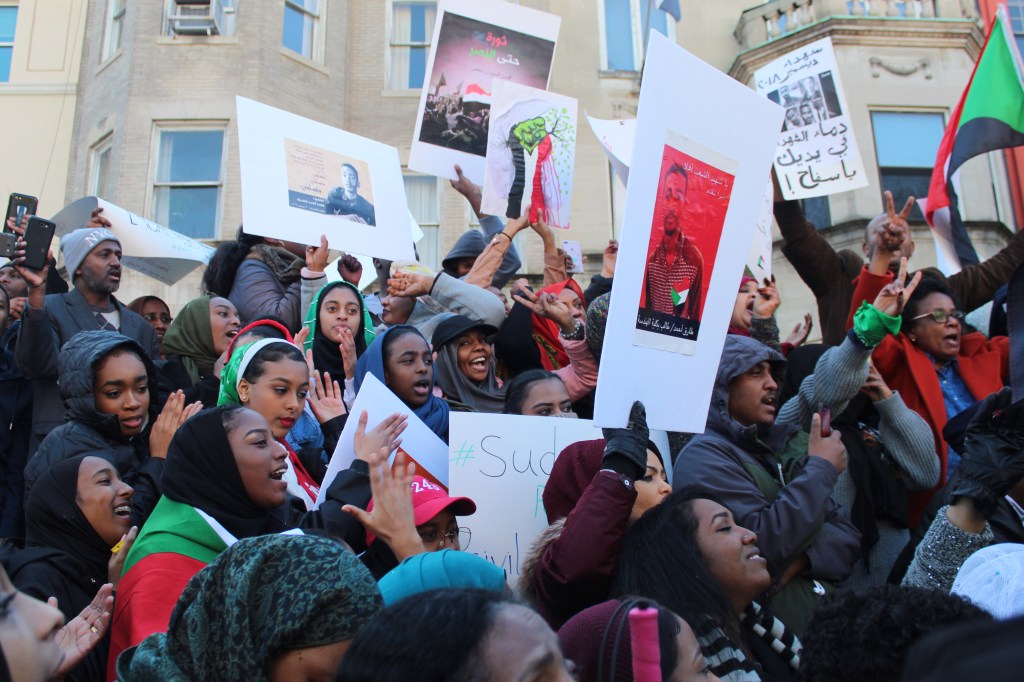
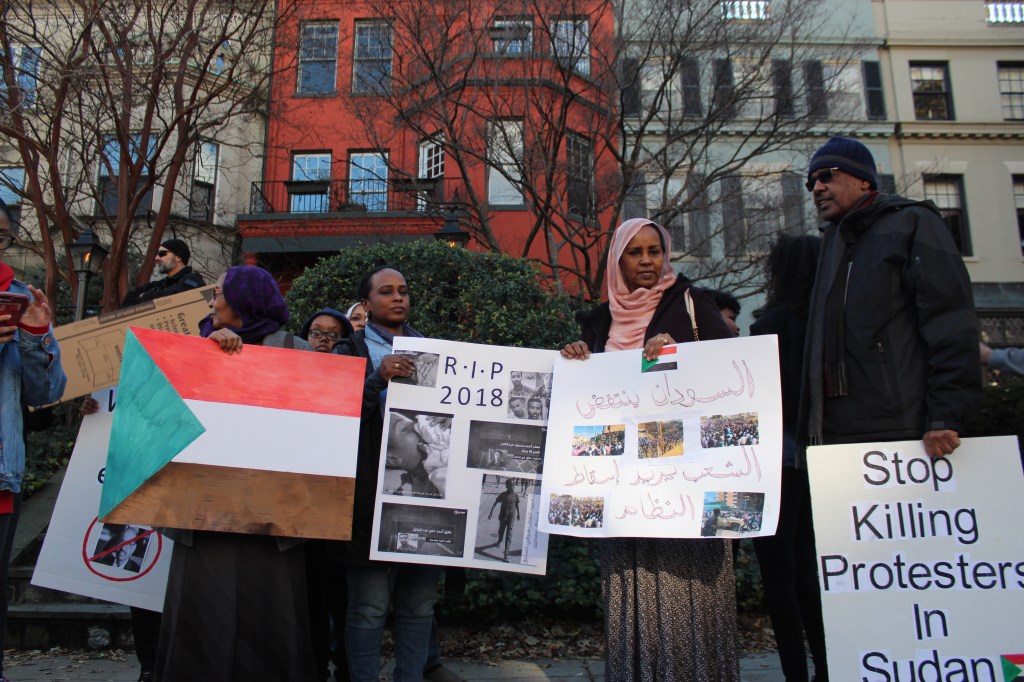
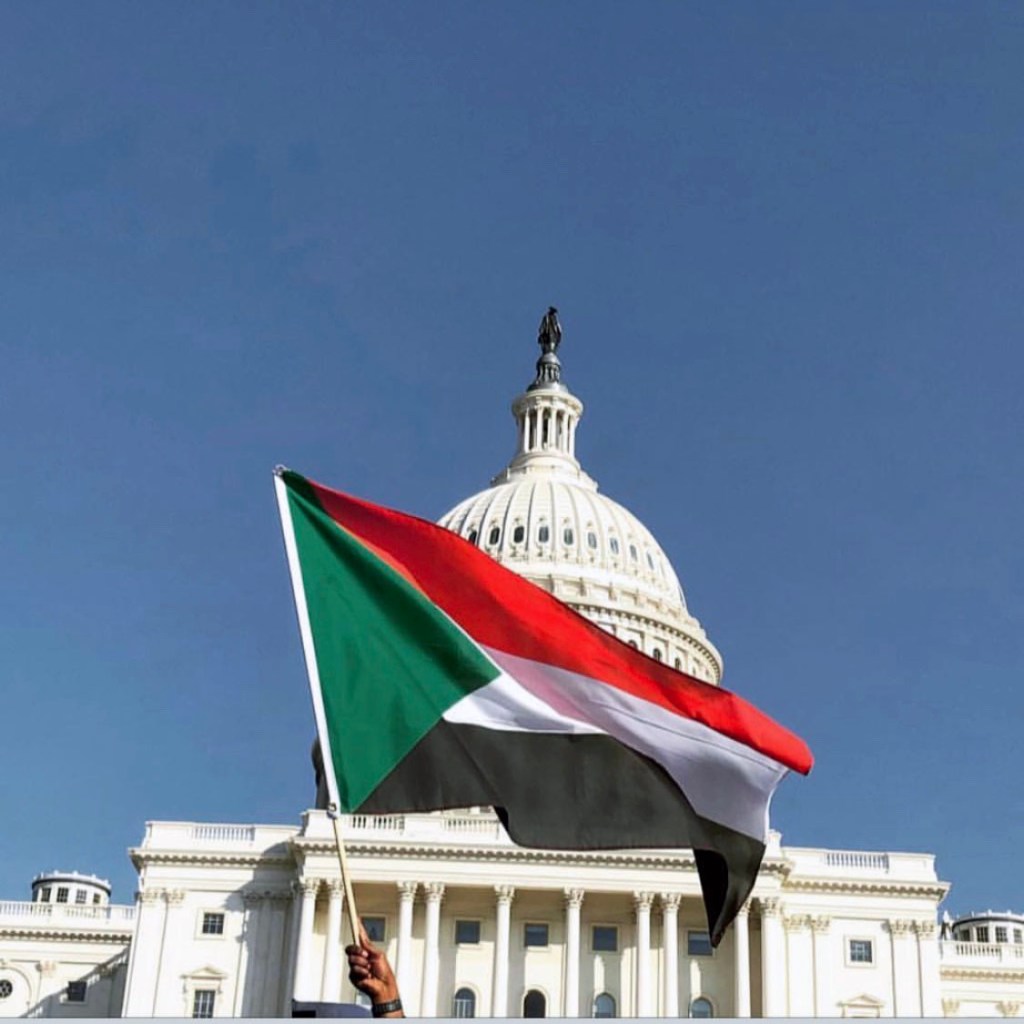
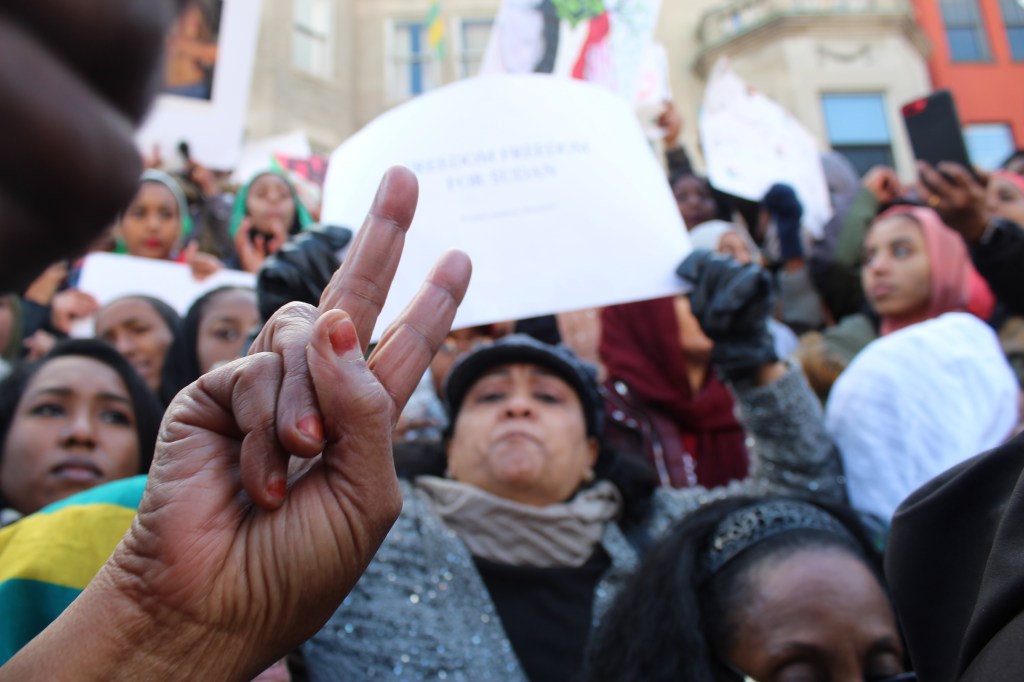
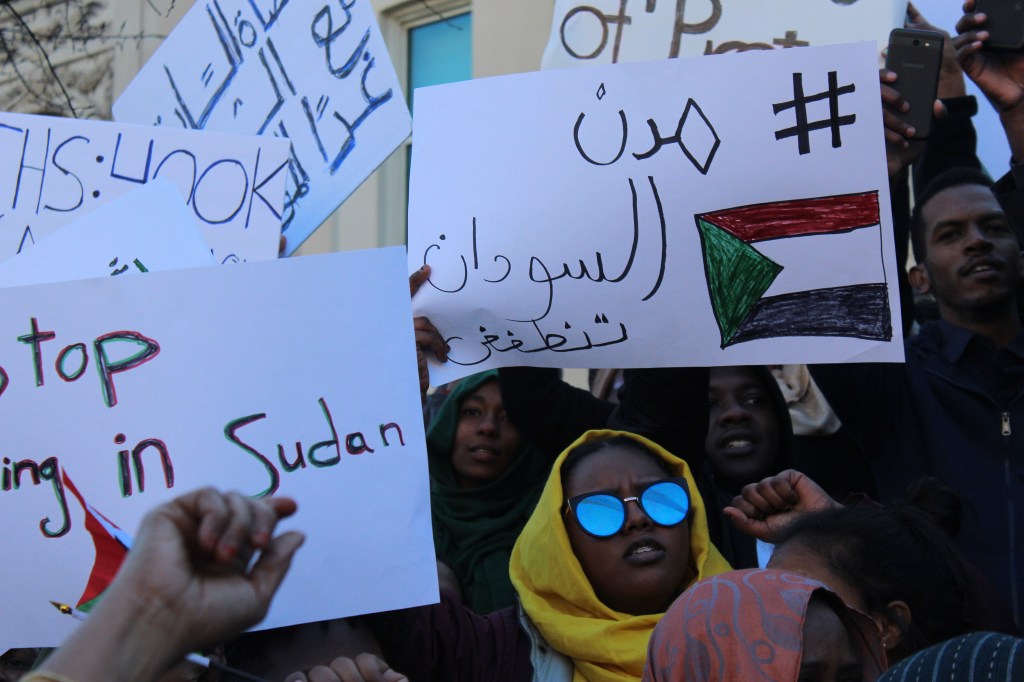
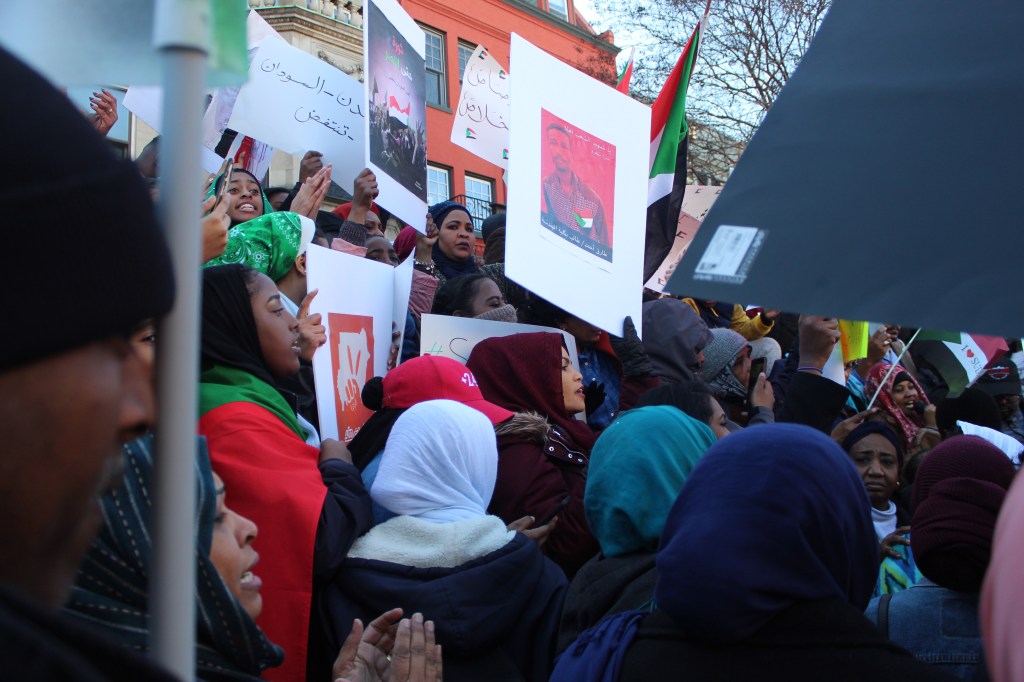
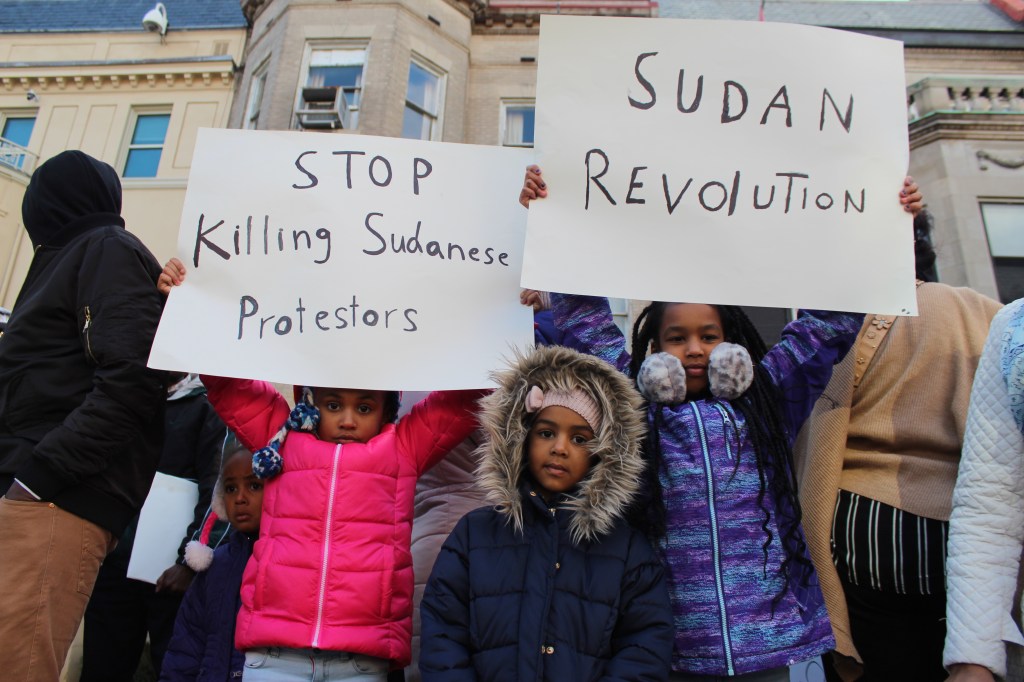
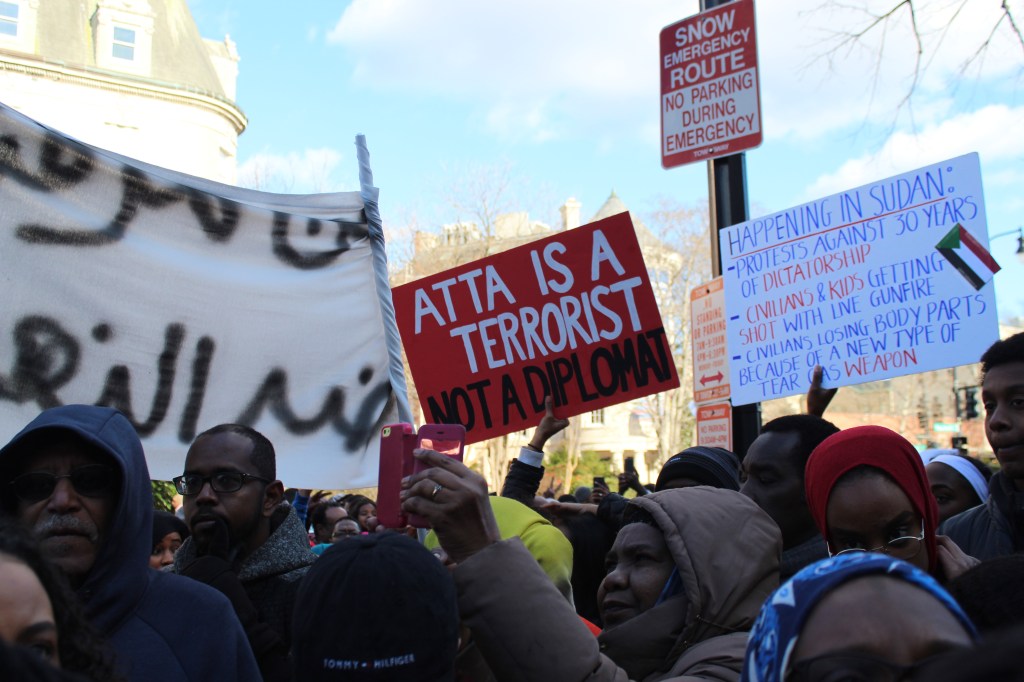
Protests in Sudan caused a popular uprising for Sudanese people everywhere, including here in Washington, D.C. December 24, 2018, Sudanese-Americans gathered outside the Embassy of Sudan in Washington, D.C, calling for the U.S. government to revoke Mohamed Atta’s Diplomatic rights and his immediate deportation. Prior to his position as Charge D’Affaires at the Embassy of Sudan, Mohamed Atta served as head of Sudan’s National Intelligence and Security Services (NISS) and was known to be the mastermind and leader behind Sudan’s Rapid Support Forces which derived from what was previously known as the Janjaweed Militias, a brutal security-military unit responsible for atrocities in Darfur, Sudan.
According to Foreign Policy, on December 20, 2018, two U.S. senators wrote a letter to President Trump urging him to revoke Atta’s rights and considering sanctioning him under the Global Magnitsky Human Rights Accountability Act, citing his reoccurring Human Rights violations which included his order to kill over 185 protestors in 2013 all over Sudan. Senator Mendez and Senator Leahy said, “Allowing Mr. Atta to serve as a diplomat in the United States is an affront to our values and our national interests.”
According to Aljazeera, the protested regime came into power in 1989 through a military coupe. Al-Bashir, its leader, was indicted in 2008 for war crimes but never detained. Soon after, what is now known as South Sudan got its independence from the atrocious regime and became the youngest country in the world in 2011. The country’s history with overthrowing governments includes an extensive list that dates back to 1953 when the people peacefully negotiated a self-governing party. Three years later, Sudan gained its independence from the said self-governing party as well. October 1964, popular uprisings began and were successful lasting just one week and overthrowing a regime. April 1985, Sudanese people took on to the streets yet again overthrowing another regime this time in only 12 days. While Sudanese people have gone out to protest the current regime before in 2011, 2012, and 2013, those protests did not cause a popular uprising in the country and were not successful. This time, protests have not only sparked a popular uprising but have also proven solidarity throughout Sudan.
Many people were personally affected by this regime in many ways, including myself. I am the daughter of immigrants who left Sudan due to economic and political issues. My family moved in search of a better life, and a better future than Sudan was able to offer. And with the current protests, my family took the first flights back to join the revolution. Take my mother, for example; she was packing her bags getting ready to come back here after her vacation in Sudan when protests broke out, which caused her to cancel her booking and stay longer. My mother along with many others in Sudan had tear gas thrown at her and watched someone about 10 feet away from her take a bullet to the knee. Or even my brother, who traveled to Sudan during his winter break to also join the protests and stand in solidarity with the men and women of Sudan risking their lives for a better future for the country. Officers beat him in the streets for merely recording using his phone and was forced to delete all footage in front of the officers to walk away. Or take Nisreen, one of the young women who I interviewed via Facebook. Nisreen was at work when she and her colleagues decided to step outside and record protests going on outside their office. Shortly after, as Nisreen was getting in her car, she was detained along with five other women and two men for just being there. For 4 hours, Nisreen’s family had no idea where she was taken and were not able to get in touch with her. After searching for her in multiple locations, her husband finally located her. It took him negotiating for another 2 hours and showing his foreign passport for her release. After she was released, her work phone, as well as a personal phone, were not returned to her for what they called “security reasons” and Nisreen was forced to sign a document stating she will no longer join any protests, and in case she does she will face jail time. Nisreen is one of the lucky few; many detainees were held in custody for weeks or even months. What is going on in Sudan is a violation of basic Human Rights. Sudanese people are getting detained or worst, killed, for speaking out against a corrupt regime. The media’s lack of coverage on this issue is a massive issue because many all over the world are not aware of the on-going revolution in Sudan. This revolution has been on-going for almost five months now, and finding news sites that have reported on it is as tricky as ever.
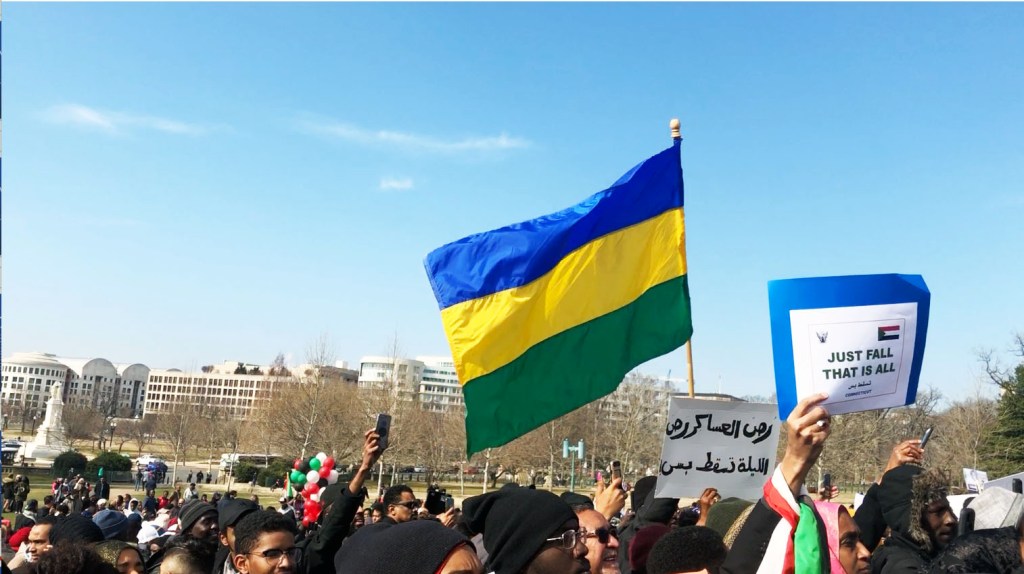
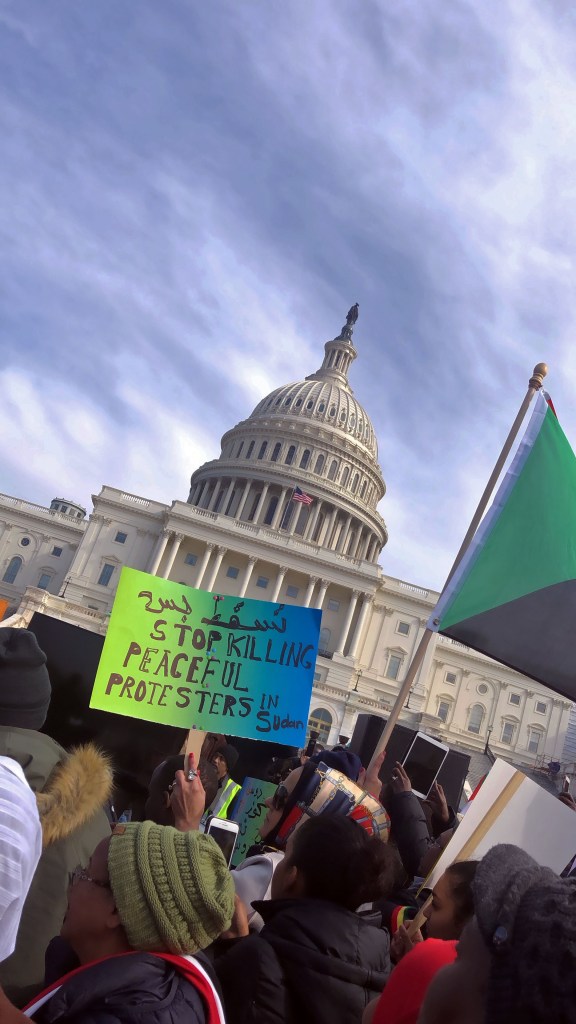
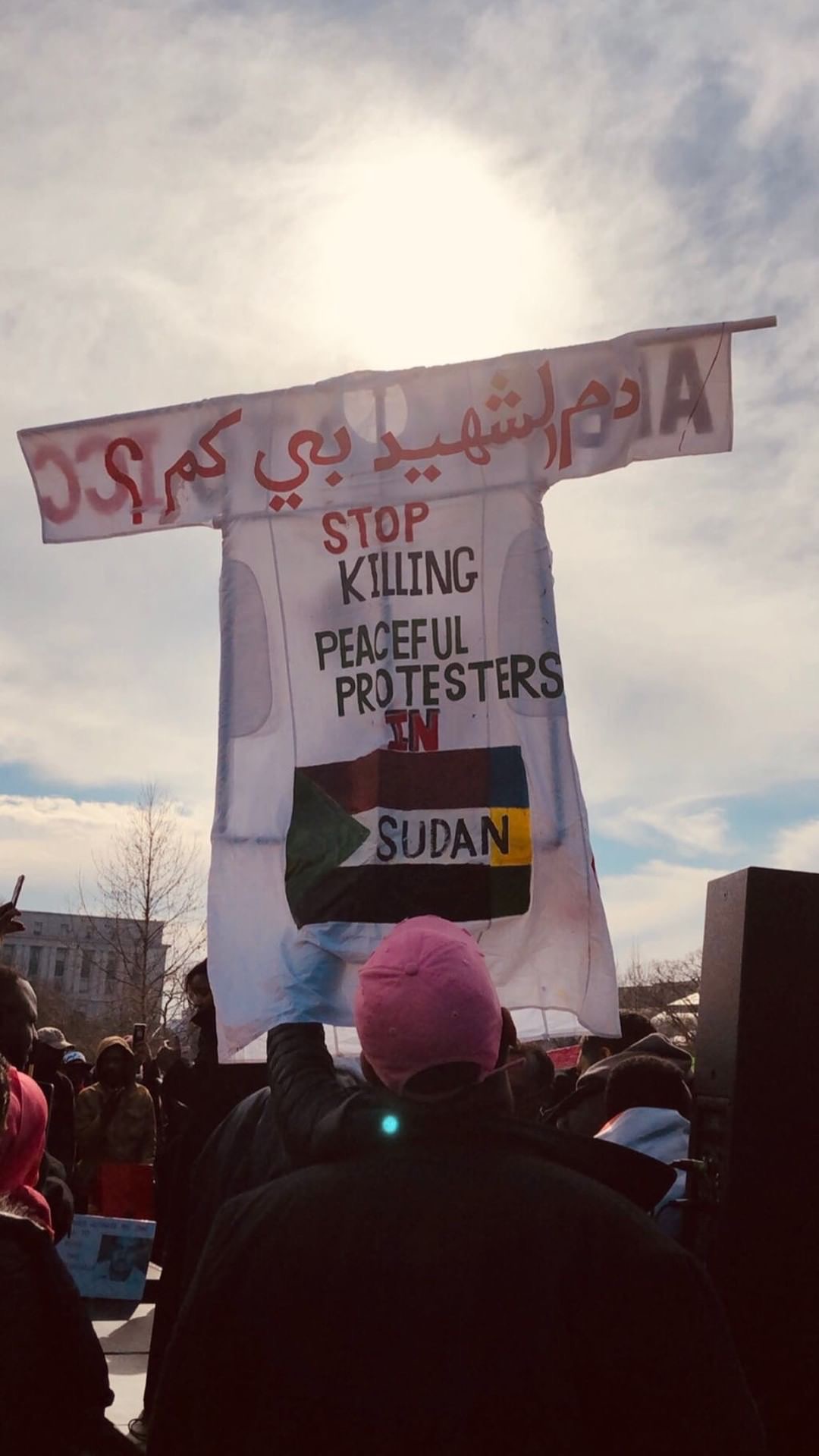
There are many ways to help the people of Sudan, and it all starts by merely educating ourselves. So far, as of April 11, 2019, the people of Sudan were able to overthrow Omar Al-Bashir and end his 30-year-old rule and four months of protests. To replace him, according to BBC, the military placed his former Vice President, Awad Ibn Auf, in power and promised a civilian-led government after a 2-year transitional period. Just one day later, Ibn Auf was forced out of power by protestors who would not leave the streets and continued their protests and demand for the fall of the whole regime and not just the president. On the night of April 12, a new ruler was sworn in as chairman to lead Sudan through a transitional period until power is handed over to civilians. During his address to the nation, Al-Burhan addressed many of the demands of the protestors leaving out a few significant ones such as handing over power to civilians immediately and not in 2 years and with that, the Sudanese people stayed in the streets and have refused to leave if the regime has not entirely fallen. As of April 23, the Sudanese people are on Day 18 of a well-organized sit-in in front of Military Headquarters in Sudan. Sudanese people from all over the world are traveling back to Sudan to join the sit-in. Protests all over the world organized by Sudanese immigrants in different areas have been held. Many petitions and GoFundMe’s have been created to raise awareness of what is going on in Sudan. As of April 14, 2019, the people of Sudan were able to celebrate another victory with the Sudanese military agreeing to dismiss Mohamed Atta from his duties here in the United States as Charge D’Affaires and arrest him along with many others apart of the regime.
While there have been many victories from the people of Sudan over the past 20 days, the revolution will continue until the regime is wholly overthrown and a complete restructure of the government is agreed upon. Educate your neighbors, sign a petition, or even donate to a GoFundMe to assist with sending medical supplies needed by protestors
 Reema Abuelrish